The past, present, and future of people and trees
Lignum Lab
At Lignum Lab, we are passionate about people, history, and our connection to the natural world. Whether you are seeking to understand the use of natural resources in the past or the history of a place or area, or manage your trees to enjoy today and protect them for the future, Lignum Lab has a service for you.
Trees are an intrinsic part of New Zealand’s natural and cultural heritage. Recognising these values is essential to promoting community engagement and connection to the aspects of history a tree may represent. Here at Lignum Lab, we believe people have a complex, symbiotic relationship with trees and vegetation, and that we play an important role in each other’s past, present, and future.
Lignum Lab explores the connection between people and vegetation in the past through species identification of charcoal (anthracology) and wood, providing insight into what vegetation was present and how it was used for activities such as fire, construction, art/toi, crafting, and tool making. Information from charcoal and wood can help us understand what a vegetative landscape may have looked like, or how people interacted with and used local or exotic natural resources.
As well as looking to the past, Lignum Lab also supports the present and future of trees through arboricultural services, including undertaking risk assessments and providing advice on tree management and future plantings, active tree management including tree protection systems and veteran tree management. Supporting landowners and communities in their stewardship of trees for future generations.
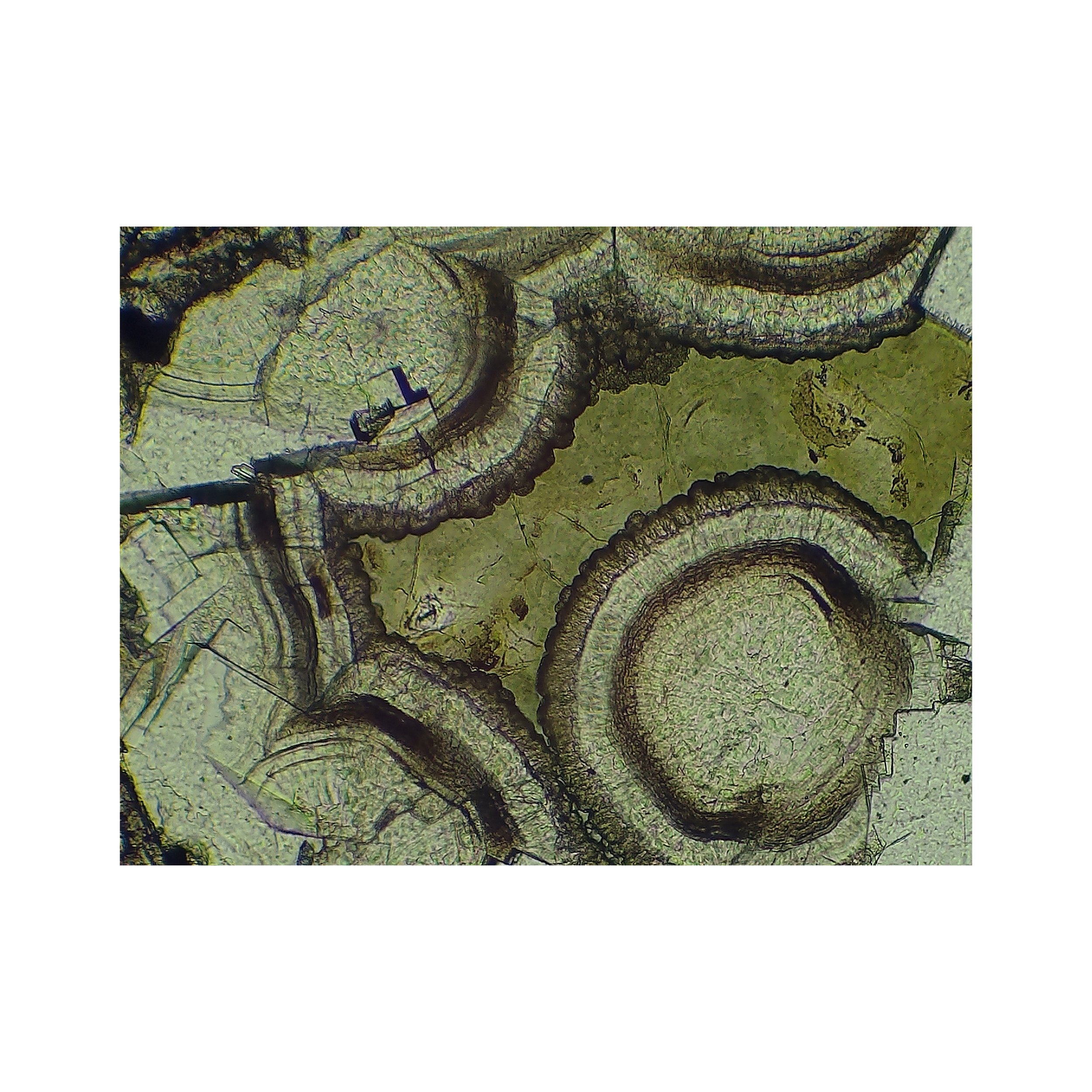
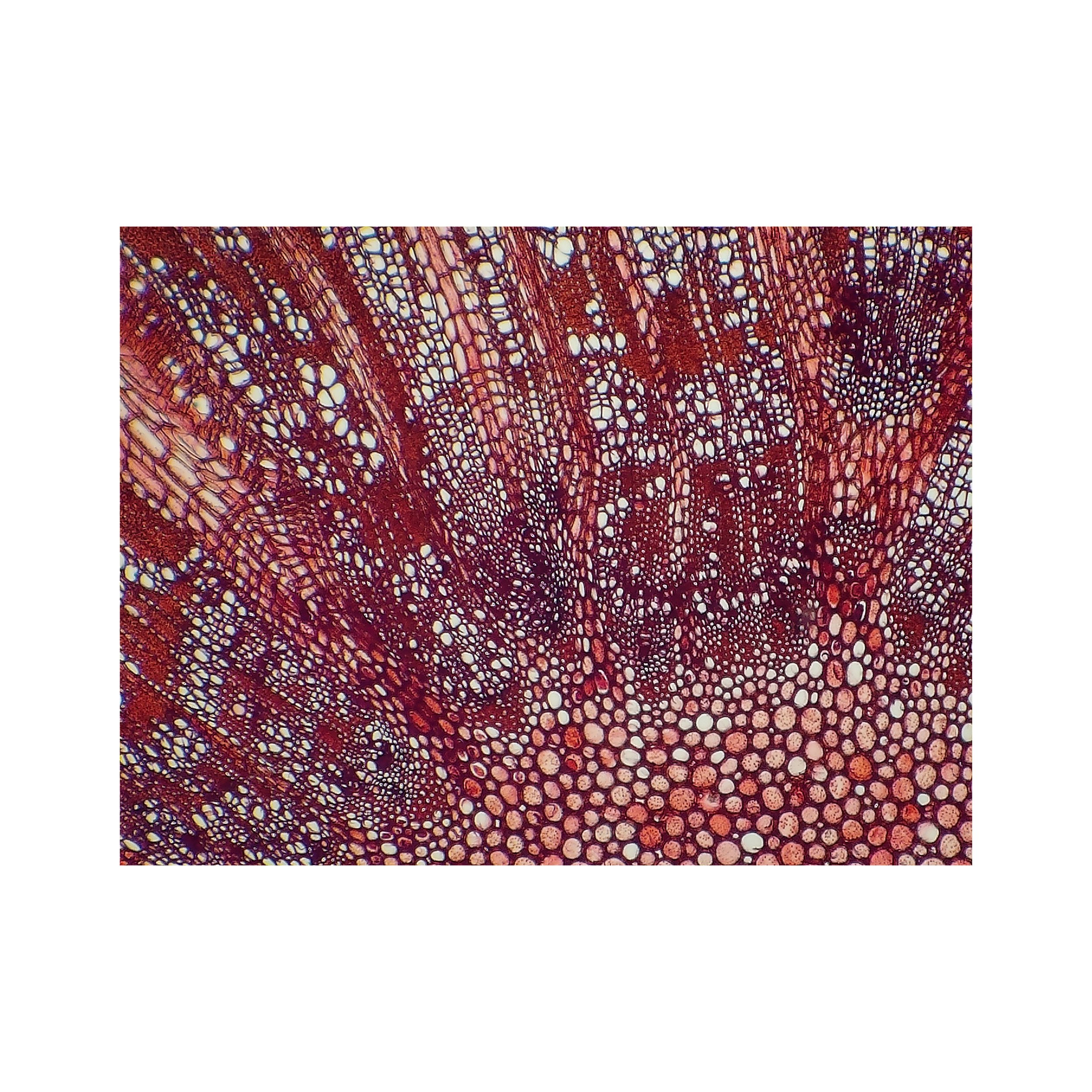
Lignum Lab also celebrates the beauty of nature and its microscopic forms. Through photomicroscopy, Lignum Lab provides a unique lens of nature large and small. From woody tree trunks to rocks and insect life, elements invisible to the human eye are made large enough to take pride of place in your space.
Meet the team
-
Nikole Wills is the anthracologist and archaeologist behind Lignum Lab. Nikole completed a Bachelor of Arts in Politics and Anthropology in 2012. After several rewarding years working in the disability sector, Nikole returned to Otago University for postgraduate study in Archaeology. During her study, Nikole gained experience with excavation and survey of historic archaeological sites including gold mining sites in Otago and artefact analysis. She was also fortunate to join excavations and surveys at Māori kainga and mahinga kai areas at Red Cliffs, Papanui, and Horotiu.
In 2019, Nikole completed her master’s thesis, an anthracological study of Māori-plant interactions at Cook’s Beach (Pukaki), Coromandel based on a dendrological and taxonomic study of wood charcoal remains. In addition to her principal research, Nikole also had the opportunity to develop her anthracology skills through Marsden funded projects at Horotiu and working with legacy charcoal collections from the Chatham Islands, housed in the Tūhura Otago Museum.
After completing her study, Nikole took on the role of Archaeologist at Heritage New Zealand Pouhere Taonga, for the Otago/Southland area office. In this role, Nikole administered the archaeological provisions of the Heritage New Zealand Pouhere Taonga Act 2014 and worked to increase public awareness and understanding of archaeological sites and their importance, and protection, in New Zealand. Nikole had the opportunity to be involved in outreach and survey projects across Otago and Southland, investigating and recording sites from throughout the history of the area. She also had the opportunity to meet the kaitiaki and communities protecting and advocating for these sites, seeing firsthand the importance archaeological sites hold in the minds and spirits of people now and into the future.
Throughout her scientific studies, Nikole become enamored with the images she was seeing under the microscope, appreciating the unique perspective of seeing wood grain so close. This ignited a second passion for looking at this under the microscope to see the minute features that make a forest giant like the kauri or bright yellow kowhai flower what it is. Nikole started showing friends and family images she was taking for her thesis work, sewing the seed which would develop a passionate interest in photomicrography and providing an opportunity for others to enjoy the beauty of things too small for the human eye to see. Nikole uses photomicrography to show that science isn’t just stuffy words in papers, its natural and beautiful, and ready for appreciation.
In 2023, Nikole began Lignum Lab with a vision to be a part of the protection and appreciation of archaeology and nature and to continue to explore the connection between our history and the natural world.
-
Rimu has worked in arboriculture throughout the whole country for over 20 years. He has a passion for trees, their place in our community and the story that they tell. While sitting on the executive committee of the New Zealand Arboricultural Association, Rimu founded the New Zealand Tree of the Year competition to celebrate the cultural and historic importance of trees.
Rimu is an industry trainer and works to pass on the knowledge to the next generation of arborists and supporting community groups to build their skill base.
Rimu also has extensive knowledge of specialty timber milling and a passion for traditional woodworking.
Services
-

Anthracology
The identification and analysis of charcoal from archaeological or natural contexts based on wood anatomy and current dendro-anthracological practice
-

Wood Identification
The analysis and identification, based on wood anatomy and features, of timber building and structural elements, wooden artefacts, and natural wood
-

Photomicrography
Unique art pieces that celebrates elements of nature unseen by the human eye, including a range of one off and limited run prints
-

Archaeology
Identification and recording of archaeological site, and advice on site protection, legislative requirements, and risk mitigation for current and future projects.
-
Arboriculture
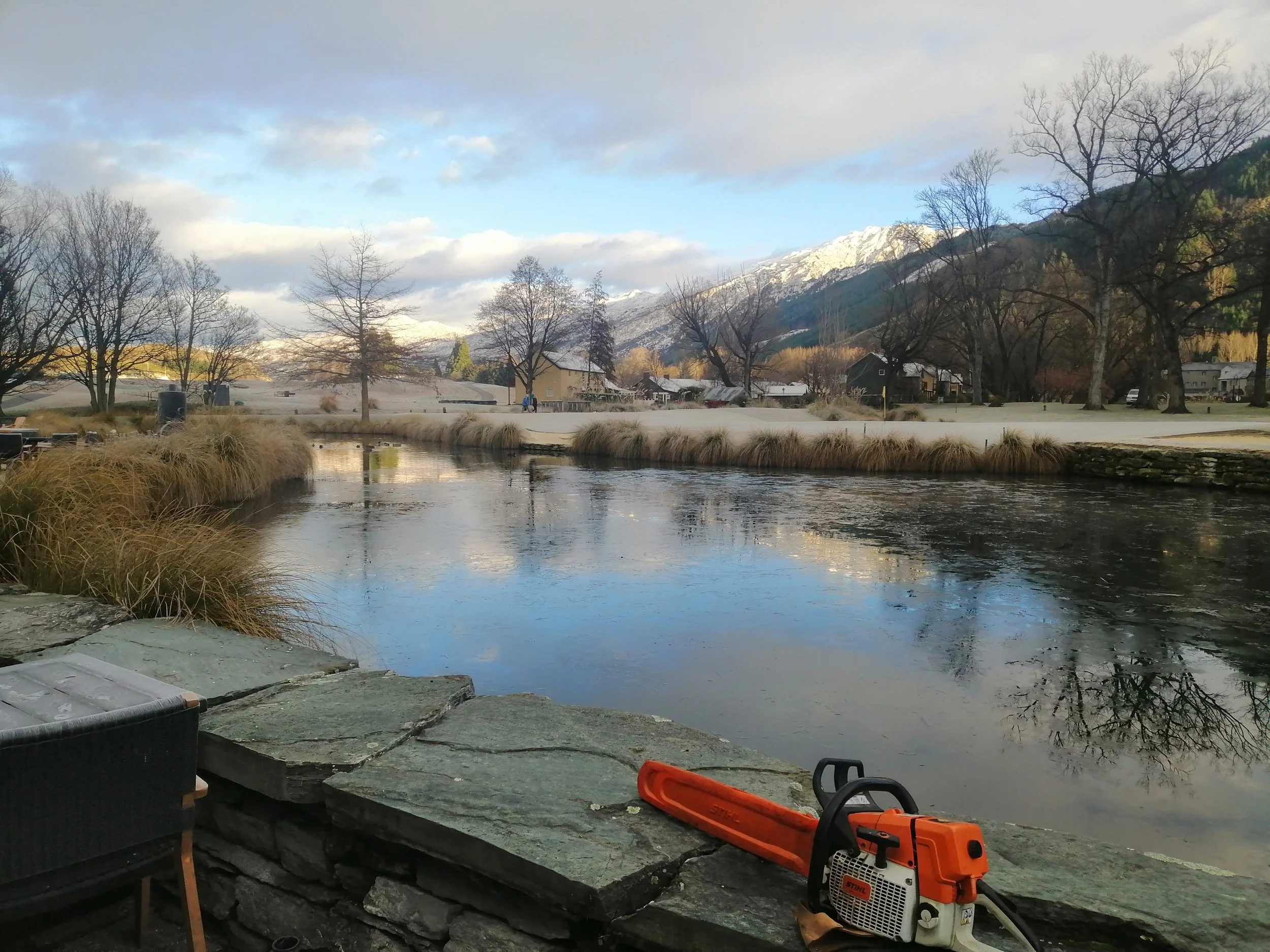
Tree management including protection systems, veteran tree management, and advice on management of current trees and planting.
Photomicrography prints